Florida Learjet Crash: Nine Dead as Investigators Probe Final Flight
 Abdulkareem Murtala
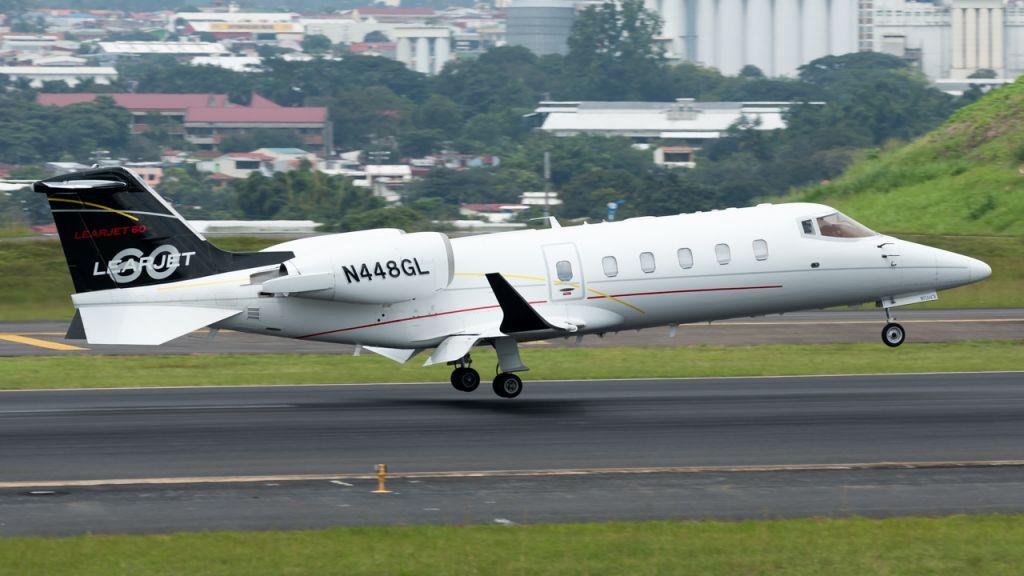
A private jet crashed into a residential neighbourhood in Palm Beach County, Florida, on Sunday, November 1, 2026. All nine people aboard died.
The aircraft, a Bombardier Learjet 60, was travelling from Austin, Texas, to the Bahamas. It suddenly entered a steep descent before hitting the ground.
Emergency crews rushed to the scene. Firefighters and police officers secured the area. Officials confirmed that nobody on the ground died.
The crash has raised questions about the aircraft’s final moments. Air traffic control recordings also captured the pilots reporting serious difficulties before the accident.
What Happened in the Florida Plane Crash?
The Learjet 60 crashed at approximately 12:50 p.m. local time on Sunday. The accident happened in Palm Beach County, Florida.
The Federal Aviation Administration (FAA) identified the aircraft as a private jet travelling from Austin-Bergstrom International Airport to North Eleuthera International Airport in the Bahamas.
The aircraft came down near Military Trail and 10th Avenue North. It struck a residential area around Cresthaven, triggering a fire.
Emergency responders quickly reached the scene. Authorities closed nearby roads and evacuated residents while crews secured the area.
Reports indicated that officials evacuated approximately 600 residents. Florida Governor Ron DeSantis later confirmed that nobody on the ground died.
What We Know About the Nine People on Board
The crash killed all nine people aboard the aircraft.
U.S. Transportation Secretary Sean Duffy confirmed the fatalities on Sunday. He also expressed condolences to the victims’ families.
However, authorities had not released the occupants’ identities in the latest reports reviewed.
Officials had also not confirmed the number of passengers and crew members.
Information about the victims’ nationalities, backgrounds and relationships also remains unclear. Authorities must first complete the necessary identification procedures.
Aircraft Identified as a 2004 Bombardier Learjet 60
Investigators identified the aircraft as a 2004 Bombardier Learjet 60. The twin-engine business jet carried registration number N722BD and serial number 60-271.
The aircraft departed Austin, Texas, for North Eleuthera International Airport in the Bahamas.
Flight-tracking data showed that the jet initially followed its expected route towards Florida. However, it later entered an unusual descent.
The aircraft began losing altitude rapidly after reaching cruising altitude. Its descent rate eventually exceeded 32,000 feet per minute, according to available tracking data.
Pilot’s Final Communication Raises Questions About the Crash
Air traffic control recordings offer important clues about the aircraft’s final moments.
Reports indicate that the pilot initially informed air traffic controllers about icing conditions and moderate turbulence.
The crew also reported precipitation. They requested an altitude change to find smoother flying conditions.
Air traffic control approved a climb to 37,000 feet.
However, the situation soon deteriorated. The pilot later reported a descent rate of approximately 10,000 feet per minute.
The crew subsequently described an overspeed condition. The descent rate reportedly reached approximately 20,000 feet per minute.
In the final communication, the pilot warned that the aircraft was going to crash. The crew also indicated that they had little time left.
Flight-tracking data later recorded a descent rate exceeding 32,000 feet per minute.
These communications give investigators valuable information about the emergency. However, they do not establish the exact cause of the crash.
Was Bad Weather Responsible for the Florida Plane Crash?
Weather conditions remain an important part of the investigation.
The crew reportedly mentioned icing, moderate turbulence and precipitation before the aircraft began its rapid descent.
However, these reports do not prove that weather caused the accident.
Investigators will examine several possible contributing factors. These include the aircraft’s mechanical condition, maintenance history and flight data.
They will also review weather records, pilot communications and other available evidence.
The National Transportation Safety Board (NTSB) is leading the investigation. The Federal Aviation Administration will also provide support.
Until investigators complete their work, the cause of the accident remains unknown.
Crash Occurred Near Mar-a-Lago
The accident also attracted attention because of its proximity to Mar-a-Lago, the private club and residence owned by U.S. President Donald Trump.
Reports placed the crash site approximately nine miles from the property.
However, the aircraft did not crash at Mar-a-Lago. Authorities have not linked the property to the accident.
The jet struck a residential neighbourhood in Palm Beach County. Emergency crews worked to secure the scene and protect nearby residents.
NTSB and FAA Begin Investigation
The National Transportation Safety Board announced plans to deploy an investigation team.
The Federal Aviation Administration will support the investigation.
Investigators will reconstruct the aircraft’s final flight. They will also examine evidence from the crash site and review available flight records.
The reported icing encounter, turbulence, overspeed condition and rapid descent will form part of their assessment.
The NTSB will release further information as the investigation progresses. Its findings should help explain the events that led to the crash.
What Happens Next?
The Florida Learjet crash has left nine families mourning their loved ones. It has also raised serious questions about the aircraft’s final flight.
Several details remain unclear. These include the identities of all nine occupants and the events that caused the aircraft to lose altitude.
Investigators must determine whether mechanical problems, weather conditions or other factors contributed to the accident.
About the Author