Ebola Outbreak in DR Congo: More Than 5,000 Dead
 Abdulkareem Murtala
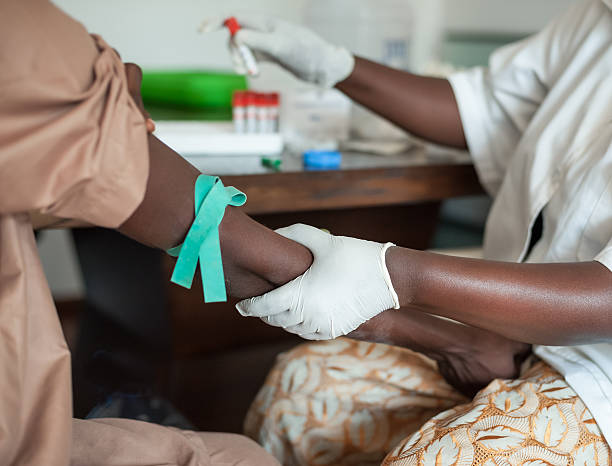
African nurse is drawing blood from african to perform a test
More than 5,000 people have died in the Democratic Republic of Congo (DR Congo) as the country battles its deadliest Ebola outbreak on record.
Government figures reported by BBC News on 1 November 2026 show that the outbreak has caused more than 10,300 confirmed cases across eight of the country’s 26 provinces.
The epidemic began in May 2026 and became the deadliest in DR Congo’s history by August. The reported case fatality rate stands at approximately 48.6%.
The outbreak has also spread beyond DR Congo, with cases reported in Kenya, Nigeria and Uganda. Meanwhile, attacks on health workers, insecurity and limited access to affected communities continue to complicate containment efforts.
How the Ebola Outbreak in DR Congo Became So Deadly
The current epidemic involves the Bundibugyo virus, a rare species of Ebola virus.
The World Health Organization (WHO) confirmed the outbreak in May 2026. Since then, the virus has spread across several provinces, placing enormous pressure on the country’s healthcare system.
The outbreak has surpassed previous Ebola epidemics in DR Congo in terms of recorded deaths. It has also become the second-largest Ebola outbreak recorded globally.
The high death toll reflects several challenges. Many patients struggle to access medical care early, while insecurity makes it difficult for health teams to reach some affected communities.
Ebola Outbreak in DR Congo: Eight Provinces Affected
Eight provinces have reported cases during the outbreak.
They include:
- Ituri
- North Kivu
- South Kivu
- Tshopo
- Haut-Uele
- Bas-Uele
- South Ubangi
- North Ubangi
Ituri province remains the main epicentre. The region lies in north-eastern DR Congo, where prolonged armed conflict has disrupted public services and restricted access to some communities.
Health workers must navigate these security challenges while identifying new infections, monitoring contacts and supporting patients.
Why the Bundibugyo Ebola Strain Is a Major Concern
The Bundibugyo virus belongs to the group of viruses that cause Ebola disease.
One major challenge is the absence of an approved vaccine specifically for this strain. There is also no licensed treatment specifically targeting Bundibugyo virus disease.
However, healthcare teams can provide supportive medical care. This includes treating dehydration, managing symptoms and addressing other complications.
Researchers are also exploring potential medical interventions and vaccine candidates.
The absence of an approved vaccine makes early detection, infection prevention and rapid medical response especially important.
Ebola Cases Spread Beyond DR Congo
The outbreak has raised concerns across Africa because cases have appeared outside DR Congo.
Kenya confirmed imported cases linked to the epidemic in October. Nigeria also confirmed an imported case in Abuja on 20 October, involving a person with a travel history to Uganda.
Uganda previously recorded cases connected to the outbreak. However, authorities declared its outbreak over in August after the country reported no new cases following the recovery and discharge of its last patient.
These developments demonstrate the importance of cross-border surveillance and cooperation between African health authorities.
The WHO has urged countries to strengthen monitoring at points of entry, improve early detection and maintain emergency preparedness.
Attacks on Health Workers Complicate the Response
The security situation in parts of DR Congo has created serious difficulties for the Ebola response.
Attacks on healthcare workers and medical facilities can interrupt essential services. They can also discourage people from seeking medical attention or cooperating with disease-control teams.
Insecurity also makes it harder to conduct contact tracing, deliver medical supplies and reach isolated communities.
Public trust remains essential during an outbreak. Health authorities must work closely with community leaders and residents to encourage early reporting and cooperation.
Why the Ebola Outbreak in DR Congo Matters to Africa
The outbreak is a major public health concern beyond DR Congo.
The appearance of cases in other countries highlights the importance of regional preparedness. Governments need effective surveillance systems, well-equipped laboratories and trained healthcare workers.
For Nigeria, the confirmed imported case in Abuja underlines the importance of maintaining public health monitoring.
However, an imported case does not automatically mean widespread transmission within a country. Health authorities must investigate each case, identify contacts and monitor possible exposure.
The WHO continues to recommend coordinated surveillance and preparedness across affected and neighbouring countries.
What Happens Next?
Health authorities continue to focus on controlling transmission and improving access to medical care.
Key priorities include:
- Identifying new infections as early as possible.
- Monitoring people who have had contact with confirmed cases.
- Improving access to affected communities.
- Protecting health workers and medical facilities.
- Strengthening public awareness and community engagement.
- Supporting research into vaccines and medical interventions.
The outbreak remains a serious challenge, and reported figures may change as authorities update their records.
Conclusion: A Major Test for African Public Health
The Ebola outbreak in DR Congo has become one of Africa’s most serious public health emergencies in 2026.
With more than 5,000 reported deaths and over 10,300 confirmed cases, the epidemic has exposed the difficulties of controlling infectious diseases in areas affected by conflict and limited healthcare access.
The spread of cases beyond DR Congo makes regional cooperation even more important.
Governments, health organisations and communities must sustain surveillance, protect frontline workers and improve access to medical care to prevent further transmission.
About the Author