Madagascar President Reportedly Moves to Restrict Ministers from Sending Children Abroad for Education
 Abdulkareem Murtala
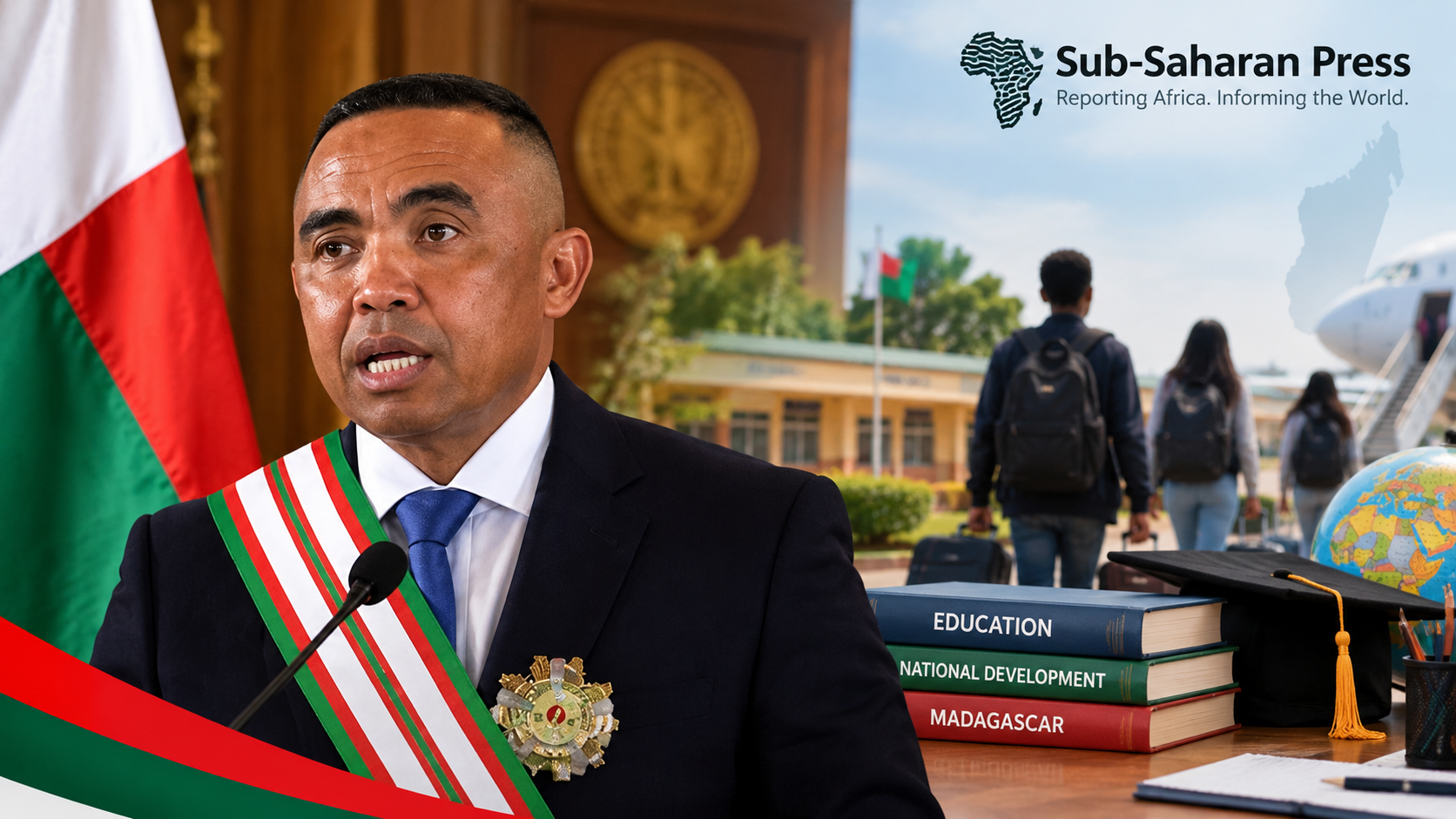
The Madagascar education ban has sparked debate about political accountability and the future of public education in Africa. President Michael Randrianirina has reportedly moved to restrict government ministers from sending their children abroad for education.
The reported development has attracted attention across the continent. It raises questions about leadership, public trust and investment in local schools. It also challenges African governments to examine the quality of their own education systems.
According to reports circulating online, the president wants government officials to demonstrate greater confidence in domestic educational institutions. However, the exact details and legal status of the reported directive remain unclear.
What Is Behind the Reported Directive?
The reported Madagascar education ban centres on the relationship between political leadership and national development.
Government officials play an important role in shaping education policies. Their decisions influence schools, universities and opportunities for young people.
The reported position raises an important question: should political leaders rely on foreign educational institutions while overseeing the development of schools in their own countries?
For many observers, the issue goes beyond personal educational choices. It touches on public responsibility and the need for stronger national institutions.
Why African Education Systems Need Attention
Madagascar’s reported development reflects a wider challenge across Africa. Many countries continue to struggle with access to quality education.
Some schools lack adequate classrooms, qualified teachers and essential learning materials. Other institutions face limited funding and poor infrastructure.
These challenges affect millions of children. They also create unequal opportunities between wealthy families and those with limited financial resources.
The World Bank highlights education as an important part of human development and economic progress. Its Madagascar country profile provides further information about the country’s development priorities.
Similarly, UNICEF Madagascar provides information about children’s welfare, education and access to essential services.
Can Restricting Overseas Education Improve Local Schools?
Restricting foreign education alone cannot solve the challenges facing Madagascar’s education sector.
The country needs practical reforms and sustained investment. These improvements should benefit students across different communities.
Some important priorities include:
- Better school facilities: Governments should provide safe classrooms, libraries and functional learning environments.
- Teacher development: Schools need qualified teachers with access to regular professional training.
- Affordable education: More families should have access to quality learning without excessive financial pressure.
- Rural education: Children in remote communities need better schools and learning resources.
- University development: Higher institutions need stronger research facilities and improved academic programmes.
- Digital learning: Technology can expand access to educational resources and new learning opportunities.
These measures would help strengthen local institutions. They would also give families greater confidence in their national education systems.
Leadership, Accountability and Public Trust
The reported development has also raised questions about political accountability.
Citizens expect government officials to support the institutions they manage. This expectation becomes particularly important when public policies affect millions of families.
When political leaders consistently choose foreign alternatives, citizens may question the quality of local institutions and the government’s commitment to improving them.
However, accountability should involve more than personal educational choices. It should include transparent government spending, effective policies and measurable improvements in public services.
Leaders must demonstrate their commitment through meaningful action. Stronger schools, better teachers and improved learning outcomes would provide more convincing evidence of progress.
Has Madagascar Officially Confirmed the Directive?
Although the reported announcement has attracted considerable attention, its precise legal status remains unclear.
An independently verified official government document confirming the full scope of the measure has not been established for this report.
It is therefore important to distinguish between the reported presidential position and a formally enacted government policy.
Further clarification from Madagascar’s government would help establish the directive’s details, implementation and legal implications.
What This Means for the Future of African Education
The discussion surrounding Madagascar’s reported education ban offers an opportunity to examine a wider issue across Africa.
Countries need education systems that can compete internationally while serving the needs of ordinary citizens.
Governments must invest in schools, improve teacher welfare and expand access to quality education. They must also ensure that children from disadvantaged communities receive equal opportunities.
Ultimately, the success of any education policy should depend on its impact on students and families.
The real challenge is not simply where political leaders educate their children. It is whether they can build institutions that provide quality education for everyone.. It is whether they are willing to build education systems that give every child a fair opportunity to succeed.
About the Author