“I Need Ammunition, Not a Ride”: Zelensky Reveals How Russia Threatened to Take Kyiv
 Abdulkareem Murtala
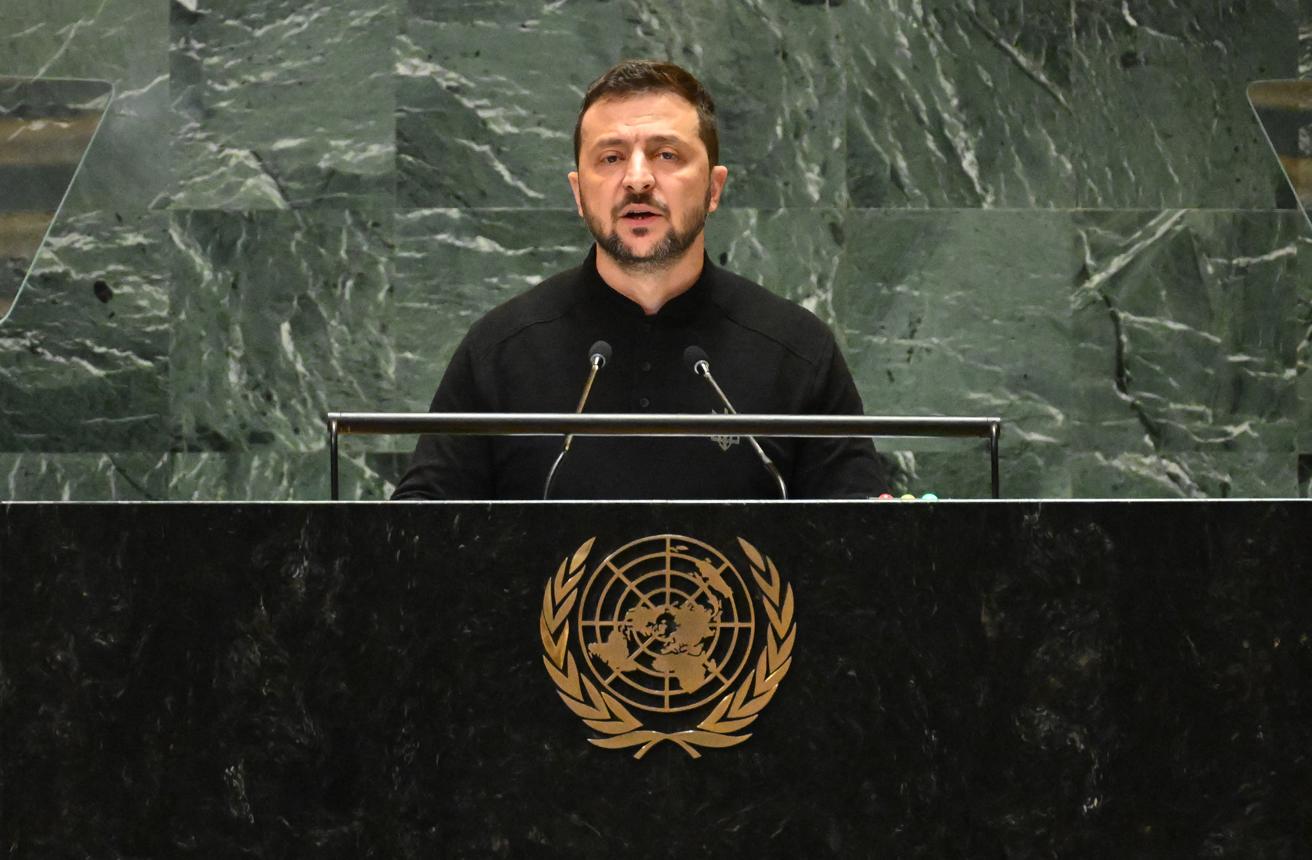
In a recent interview with Steve Bartlett, Ukrainian President Volodymyr Zelensky opened up about the terrifying early days of Russia’s full-scale invasion of Ukraine, recalling how Russian forces closed in on Kyiv, missiles rained down on the capital, and world leaders urged him to consider evacuation. With Russian troops surrounding Kyiv and a massive military convoy stretching for roughly 64 kilometres toward the city, the threat to Ukraine’s leadership was becoming increasingly real. Then came a call from U.S. President Joe Biden. According to Zelensky, Biden offered to help evacuate him and his family from the besieged capital. Zelensky's response would become one of the most memorable statements of the war: “I need ammunition, not a ride. ”Rather than leave Kyiv, Zelensky chose to remain in the capital as Russian forces attempted to isolate the city and undermine Ukraine's leadership. The Ukrainian president said the decision was not simply about his own safety. He believed that if Ukrainians saw their leader abandon the capital, Russia could succeed in creating panic and destroying the country's resolve. From a bunker beneath his office, Zelensky continued communicating with Ukrainian and foreign officials while Russian forces pressed toward the city. Outside, another battle was unfolding. Ukraine was mobilising. According to Zelensky, the country's army grew from approximately 200,000 to 800,000 as volunteers joined the fight. Russian forces that had initially advanced toward Kyiv were eventually pushed back, with Ukrainian forces reclaiming the Kyiv region and other areas around the capital. But the military threat was only one part of what Zelensky described. Behind the battlefield was a psychological war—one in which Russia sought to convince Ukrainians that their government had collapsed and their president had fled. Zelensky said he knew that remaining visible was crucial. He went out onto the streets. He spoke to Ukrainians. He continued addressing the world from a country under attack. For him, leaving was not an option. “It would be betrayal,” he said, describing what abandoning Kyiv would have meant to him.
About the Author